Image manipulation
Introduction
ImportantProblem statement
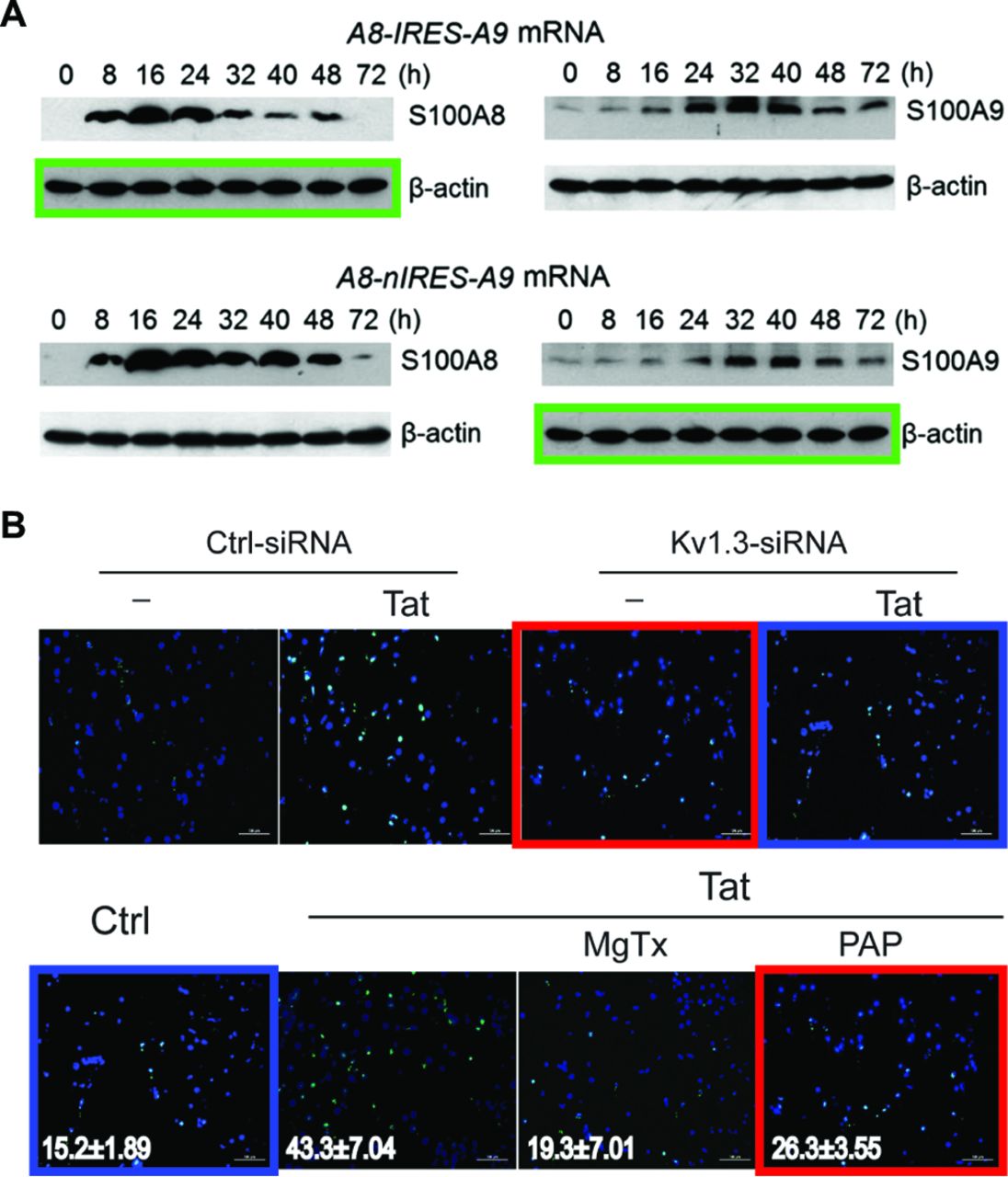
Inappropriate image duplication and image manipulation is one of the most common research integrity issues detected in published articles. Usually, images that should depict different elements show (partial) overlap or contain traces of (digital) editing (McIntosh et al. 2026).
Key resources
Note“Prevalence of innapropriate image duplication”
Explanation and analysis of the issue by Bik et al. (2016)
Note“Image integrity in scientific publication”
Instructional video series by the International Association of Scientific, Technical & Medical Publishers (STM): https://stm-assoc.org/what-we-do/strategic-areas/research-integrity/image-integrity/resource-center/
NoteDetection software
- ImageTwin: AI-powered image analysis to detect duplication, manipulation, plagiarism, and AI-generated content in research papers (https://imagetwin.ai/)
- Proofig: AI-powered, automated image proofing for scientific publications to ensure research and image integrity (https://www.proofig.com/)
NoteCOSIG
- Image duplication: https://osf.io/2kdez/files/547re
- Image compression artifacts: https://osf.io/2kdez/files/e5vzr
- Software for image forensics: https://osf.io/2kdez/files/g23pf
More information on COSIG: Ozturk et al. (2026)
Bibliography
Aquarius, René, Merel van de Voort, Hieronymus D. Boogaarts, P. Manon Reesink, and Kimberley E. Wever. 2025. “High Prevalence of Articles with Image-Related Problems in Animal Studies of Subarachnoid Hemorrhage and Low Rates of Correction by Publishers.” PLOS Biology 23 (10): e3003438. https://doi.org/10.1371/journal.pbio.3003438.
Bik, Elisabeth M., Arturo Casadevall, and Ferric C. Fang. 2016. “The Prevalence of Inappropriate Image Duplication in Biomedical Research Publications.” mBio 7 (3): e00809–16. https://doi.org/10.1128/mBio.00809-16.
McIntosh, Leslie D., Anna Abalkina, Achal Agrawal, et al. 2026. “Forensic Scientometrics (FoSci) Report 2026: Understanding, Detecting, and Documenting Manipulation in the Research Ecosystem.” Version 3. Preprint, Figshare, July 17. 1012969 Bytes. https://doi.org/10.6084/m9.figshare.32178456.v3.
Ozturk, Yagmur, Solal Pirelli, and Reese A. K. Richardson. 2026. “Introducing COSIG: The Collection of Open Science Integrity Guides.” PLOS Biology 24 (6): e3003817. https://doi.org/10.1371/journal.pbio.3003817.
Reuse
Citation
For attribution, please cite this work as:
Forensic Scientometrics. 2026. “Image Manipulation.”
September 7. https://fo-sci.org/issues/image-manipulation/.