Intelligence Gathering in an Era of (Research) Conflict
The FoSci Files
Earlier this month, I had the joy of spending time in the UK with Dr Kandy White, Director of Research Ethics at Macquarie University and active in FoSci. Together we made a trip to Bletchley Park - the World War II site for cryptanalysts and intelligence. (Most people know the site from the Alan Turing story, yet the majority of the code-breakers were women like Margaret Rock.)
What fascinated us on this visit was the operations — the way intelligence was gathered, checked, and put to work during a crisis.
And that word, operations, stuck with me.
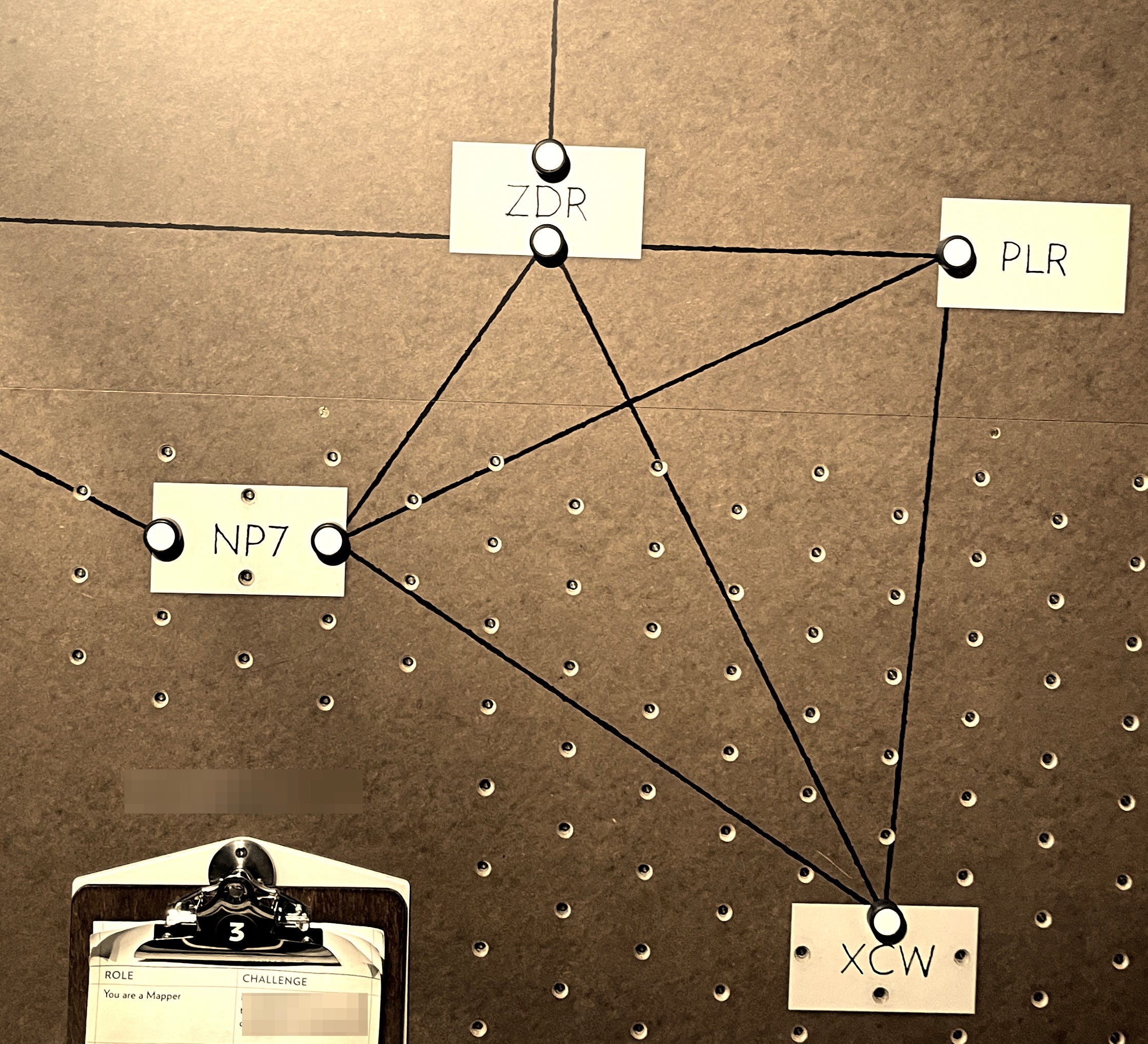
Science isn’t at war, but it currently is in a defensive stance. It faces pressure from those who exploit weak points in the system: publishing, academia, funding bodies, and governments. FoSci is, in its own way, the intelligence arm of science and the counterintelligence against those who exploit it. And this means probing who, where, and how is science corrupted?
We already know some of the operations that erode trust in research:
- Editors funneling junk reviews and calling it “peer-reviewed”.
- Paper-mills selling worthless manuscripts to credentialed scientists.
- Governments failing to vet grantees before awarding funds.
- Institutions ignoring researchers involved in misconduct.
- Contract cheating that outsources research work for credit.
As described in the last post From Nefarious Networks to Legitimate Funding, we’ve now moved into tracking where money flows—and exposing when it flows to the wrong places. Because when funders bankroll people caught up in shady networks, the problem isn’t just bad actors. It’s the pipelines that let them thrive.
Each of these is a failure point where trust erodes. Each is also an opening for us to chart the flows, connect the dots, and reveal how the corruption of research occurs.
The last post raised questions about funders giving money to people associated with dodgy networks. This one is about widening the lens. It’s not just that it happens; it’s about recognizing and documenting the weak points that allow science and knowledge exploitation to continue. Encouragingly, a few government officials have already reached out; they do care about where their money goes, and they’ve begun to act.
And this is where you come in: what patterns have you noticed? Where do you see the same names, the same money trails, the same weak points being exploited again and again? Post your insights in the comments.
As always, stay tuned for more.